
Rwanda Abadatezuka
Code: 2470/250 2470/1 2470/251 2470/2 Choose variantRelated products


Product detailed description
Roaster’s comment:
“The Abadatezuka association operates under the wing of Vincent Rukeribugy, and when we were given the opportunity to taste this exceptional lot, I didn’t hesitate. It’s rare to see so many unique approaches come together in a single cup, and it only proves how far ahead they are! Don’t wait—this coffee won’t be around for long.”
Country: Rwanda
Location: Cyato
Variety: 100% Arabica Bourbon
Processing: Honey
Altitude: 1,850–2,200 m a.s.l.
Harvest: Autumn 2025
Flavor profile: Cola, pear cider, cocoa butter
Preparation: Ideal for espresso

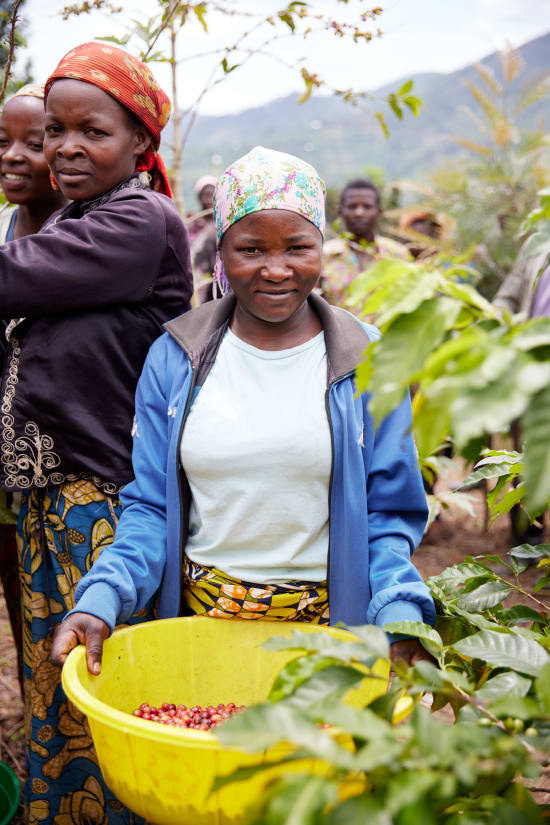
This exceptional lot comes from the Abadatezuka cooperative and was carefully composed exclusively from farms owned and run by local women. These farmers receive an additional direct financial bonus for their coffee, on top of the standard quality premium, helping support their further development. The cooperative brings together smallholder farmers from Rwanda’s Western Province, who deliver their hand-picked coffee cherries to the Cyato washing station (established in 2017). While the station itself lies at 1,850 m a.s.l., the coffee trees grow on the surrounding hillsides at altitudes reaching up to 2,200 meters.
After harvest, the ripe, deep red cherries are carefully sorted. They then undergo processing—specifically the honey method, which is quite rare in Rwanda. After pulping, the coffee is left with its mucilage intact and dried on raised African beds, where it is constantly turned and raked to ensure perfectly even drying.
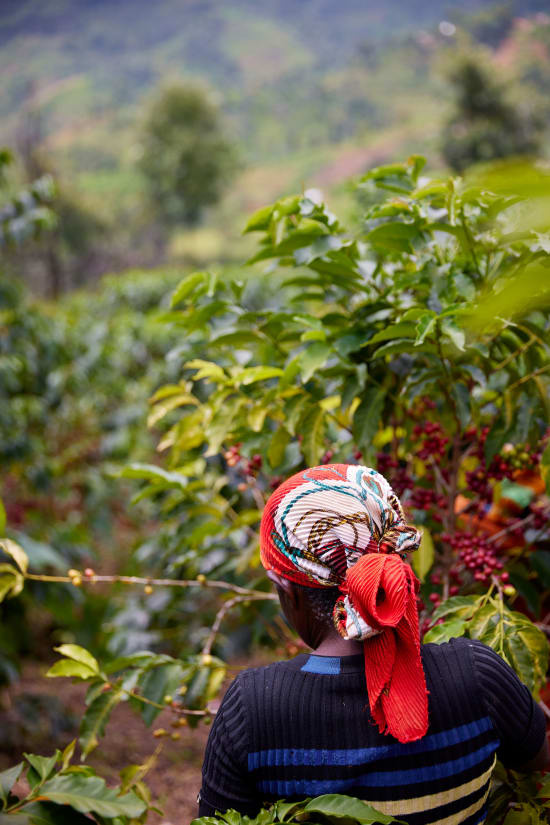
One of the most fascinating aspects of this lot is the influence of the local environment. Its unique flavor profile is partly shaped by wild bees living near the Nyungwe rainforest. Their pollination, combined with extremely fertile soil rich in black humus and sand, and a cooler microclimate influenced by nearby Lake Kivu, all contribute to the unmistakable character in the cup. Additionally, the farmers use absolutely no synthetic fertilizers or chemical sprays in cultivation.
Additional parameters
| Category: | Coffee |
|---|---|
| Taste preference: | Fruity coffee |
| Type of preparation: | Espresso |
| Země původu: | Rwanda |
Discussion
List of discussions
