
Kolumbie Nestor Lasso
Code: 2479/250 2479/1 2479/251 2479/2 Choose variantProduct detailed description
Roaster’s comment:
“Nestor is a superstar of the coffee world, but when you meet him, he’s an incredibly kind and deeply curious guy. Yes, by coffee industry standards, Nestor is still very young (he’s not even 30 yet), but even from this position he’s able to train far more experienced producers and belongs to that small group whose coffees win world coffee competitions!”
Country: Colombia
Region: Huila
Farm: El Diviso
Variety: 100% Arabica Pink Bourbon
Processing: Natural
Altitude: 1850–2200 m.a.s.l.
Harvest: Fall 2025
Flavor profile: Orchid soup, lemon zest, clementines
Preparation: Ideal for filter

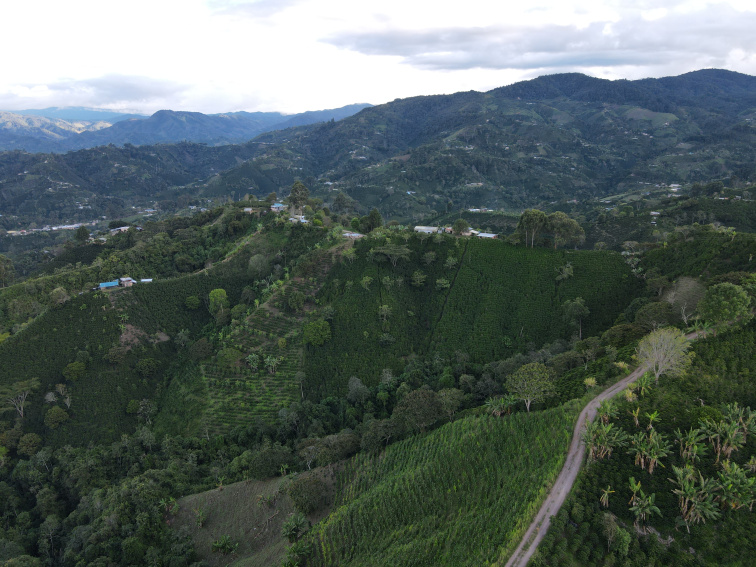
Nestor, together with his older brother Adrian, stands behind the Colombian farm El Diviso, and both are among the most prominent faces of the new generation of coffee innovators. But this is no fairy tale about wealthy heirs – as recently as 2017, their family was struggling with debt and low prices for commodity coffee. Back then, the brothers decided to take a risk. Without the funds for cutting-edge technology, they fully committed to experimenting with processing itself. Today, baristas win world championships with their lots, and El Diviso has become a name that sets trends in the specialty coffee world.
The success of this farm lies in the perfect synergy of three young visionaries. Nestor acts as the face of the farm and the main experimenter, Adrian serves as the lead agronomist overseeing the quality of coffee cherries on the steep hillsides, and Jhoan Vergara (a friend and certified Q-Grader) carefully calibrates the final flavor profiles so they remain wild yet beautifully drinkable. They don’t approach coffee merely as farmers, but more like chefs or perfumers. They don’t leave the final flavor to chance – they literally program it. By adjusting pH levels, using specific yeast strains, or applying aggressive temperature shocks, they are able to extract the absolute maximum flavor potential from the beans.
Instagram: @nestornefferlasso
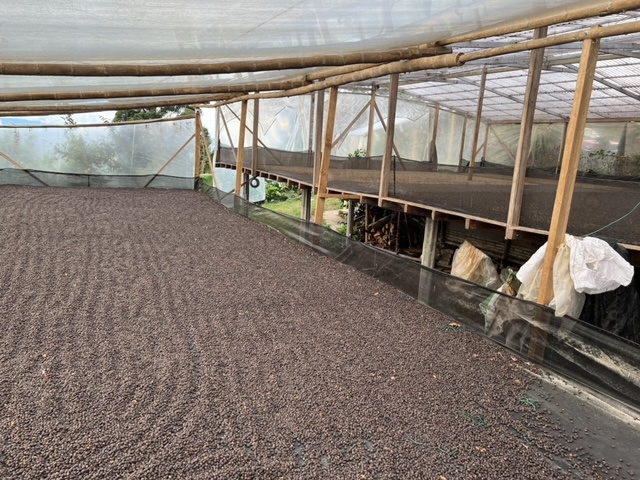
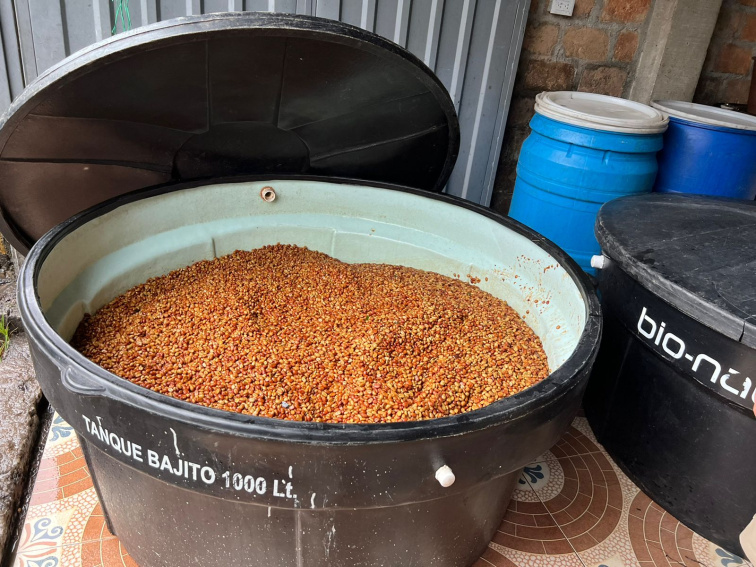
This exceptional lot is made from the outstanding Pink Bourbon variety. On its own, this variety is renowned in the coffee world for its incredible complexity and elegant, sparkling sweetness. But when combined with Nestor Lasso’s experimental processing and innovative fermentation, it creates a truly unforgettable cup. These carefully designed processes bring out intensely vibrant fruit notes and create a rich, syrupy body that immediately captivates you. For coffee traditionalists, this “funky” profile might come as a surprise, but for adventurous drinkers seeking that true “wow effect,” it’s simply a dream come true.
And how did Nestor manage to coax those flavors out of this variety? Something like this:
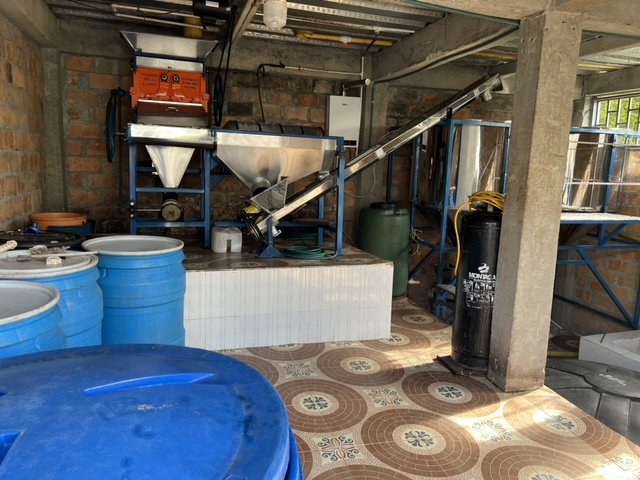
It all begins with a water bath, where only the best, fully ripe cherries are selected. These are then sealed in bags or containers for a 32-hour anaerobic fermentation (at around 17 °C), after which they are moved to open tanks for 12 hours of oxidation. Only at this stage is the coffee depulped. This is followed by another 40 hours of oxidation, with the beans still coated in their sweet mucilage, leading into the main phase – submerged fermentation. During this stage, the beans rest for 80 hours in water heated to 40 °C, with occasional stirring. Afterwards, the coffee is thoroughly washed, and Nestor’s signature step comes into play: thermal shock. The beans are rinsed with hot water (65–70 °C), which instantly halts all fermentation processes and locks in that wild flavor profile. Finally, the coffee is transferred to parabolic drying beds (with temperatures not exceeding 30 °C), where it dries very slowly for 18 to 24 days, until the moisture content reaches the ideal 11 %.
Additional parameters
| Category: | E-shop |
|---|---|
| Taste preference: | Full-bodied coffee, Fruity coffee |
| Type of preparation: | Filters |
| Země původu: | Kolumbie |
Discussion
Be the first who will post an article to this item!