
Etiopie Ahmed Abateman
Code: 2542/250 2542/1 2542/251 2542/2 Choose variantRelated products


Product detailed description
“Honey-processed coffees are making their way to us even from Ethiopia, and it is an absolute treat for a fruity espresso or a deliciously sweet filter. What’s more, it comes directly from a specific producer, Ahmed Abateman, and we are so thrilled that entrepreneurial producers who proudly and gladly stand behind their coffee are thriving in Ethiopia too!”
-Luke, Co-Founder and Head Roaster DOS MUNDOS
Tasting Notes
blueberry jam, chocolate mousse, persimmon
acidity 3/5, sweetness 5/5, body 4/5
Recommended Brew Method: Espresso
Ethiopia - Ahmed Abateman
Country of Origin: Ethiopia
Region / Zone: Jimma, Gomma district (Kota kebele)
Washing Station / Farm: Badeyi (Badaye)
Producer: Ahmed Abateman
Altitude: 1,900 – 2,000 m a.s.l.
Variety: Heirloom (native Ethiopian varieties)
Processing Method: Honey (semi-washed)
Drying: Raised African beds
Harvest: Spring 2026
Brew Method: Espresso
Producer Story
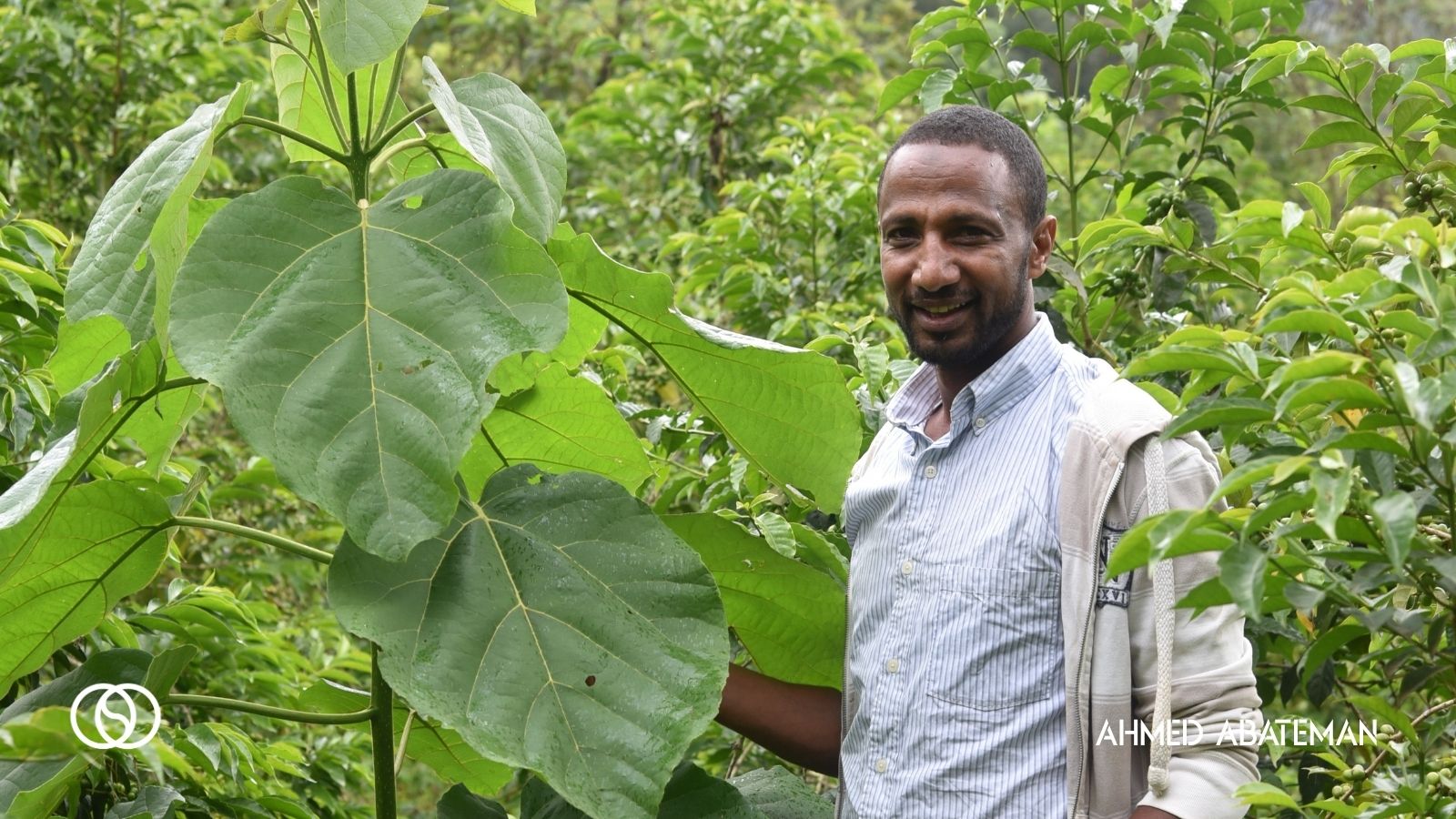
This honey-processed coffee comes from the Badeyi (Badaye) washing station, located in the village of Kota in the Gomma district (woreda), which falls under Ethiopia's famous Jimma zone. The station itself is situated at an altitude of 1,970 m a.s.l. and covers an area of 2.5 hectares. It is surrounded by fertile highlands, whose conditions give rise to unmistakable, sparkling, and flavor-rich coffees. A portion of the production comes directly from the station owner Ahmed Abateman's own farm, though the majority of the cherries are supplied by a vast network of smallholder farmers from the immediate vicinity.
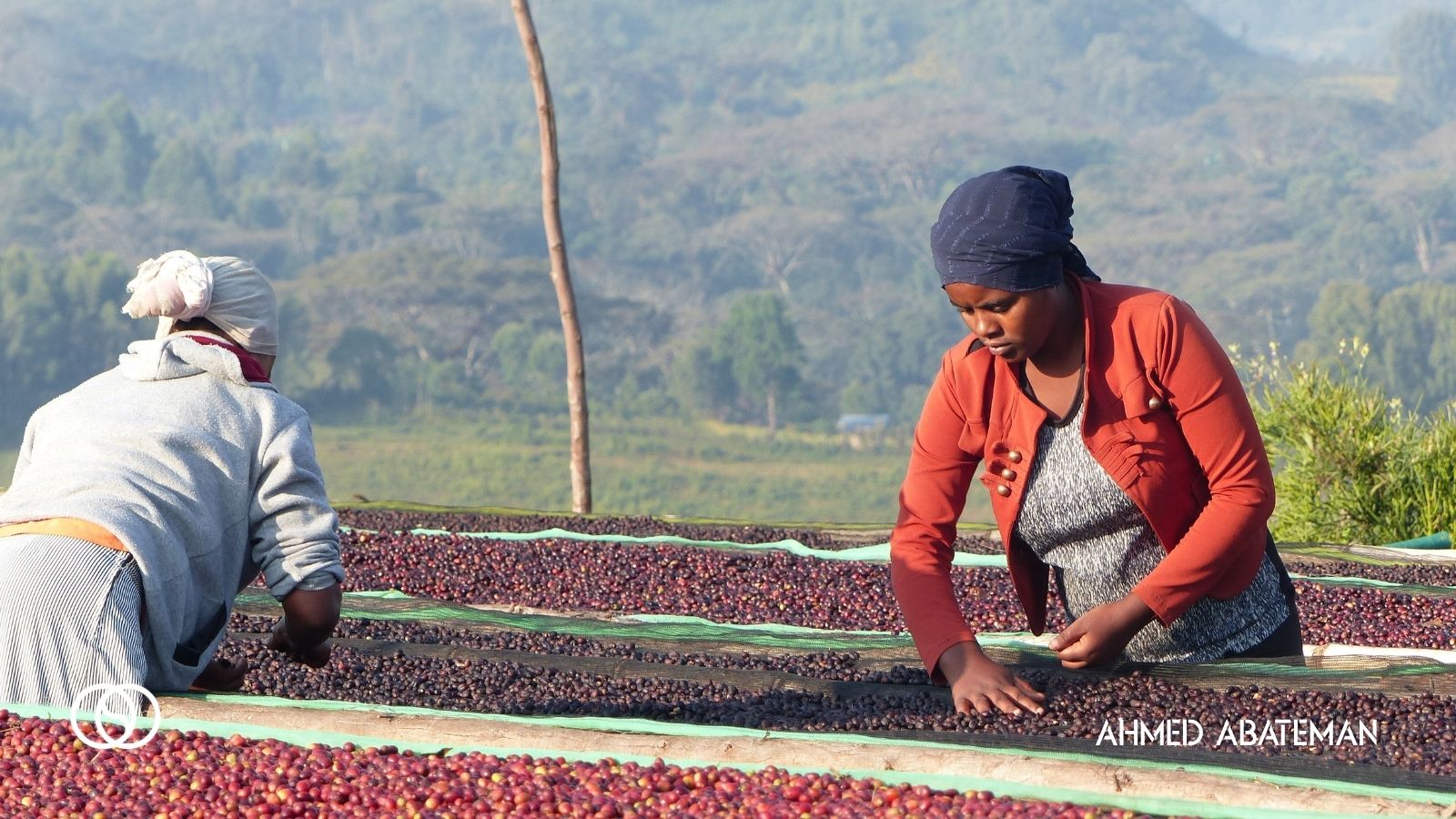
The Badeyi station places great emphasis on precision as well as social impact. The slow and even drying of the beans in their mucilage takes place on raised African beds—the station has 10 beds for the initial drying phase and 240 beds for the final drying. The entire operation is run by 5 permanent and 66 seasonal workers, with women making up the majority (47 of them), underscoring the station's strong commitment to supporting employment and equal opportunities within the local community.

Processing Method
In the honey method, after the outer skin is removed, the coffee beans are dried along with the remaining sweet, sticky fruit pulp (mucilage). This approach requires constant turning and monitoring on the African beds to ensure the beans dry slowly, stably, and without any unwanted fermentation. The result is a cup with pronounced natural sweetness, a velvety body, and subtle notes of ripe fruit and florals that are so typical of native Ethiopian varieties.
Brew Recipe

Discussion
Be the first who will post an article to this item!